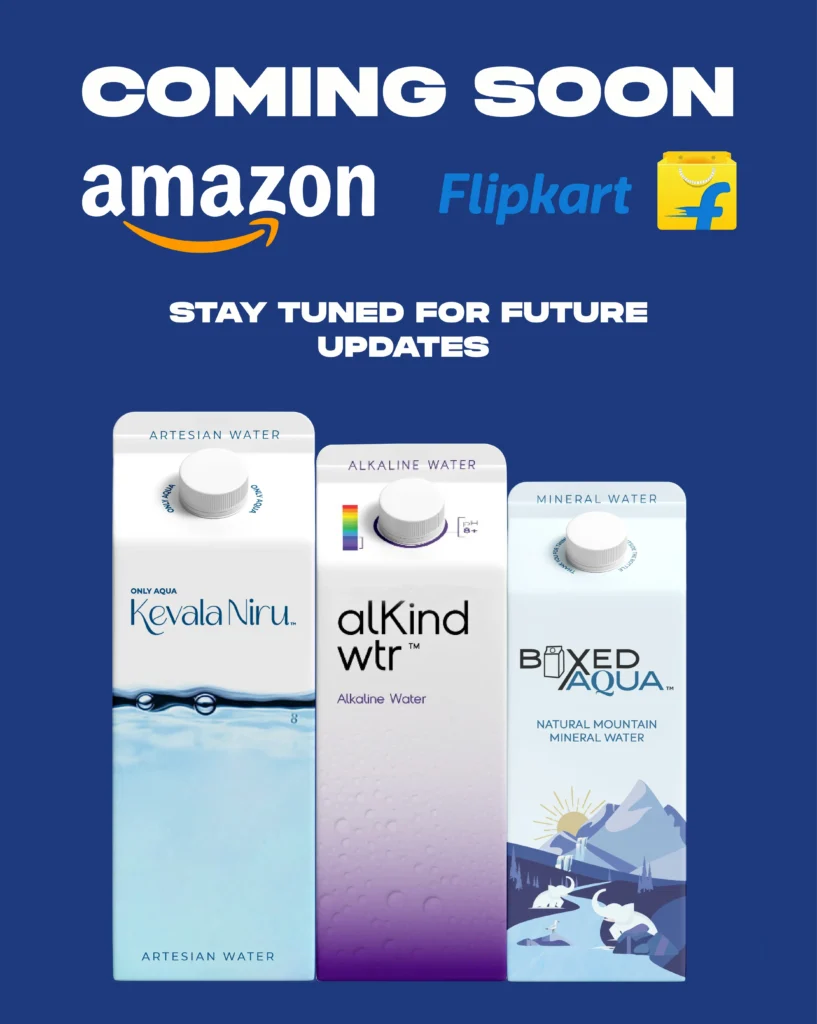



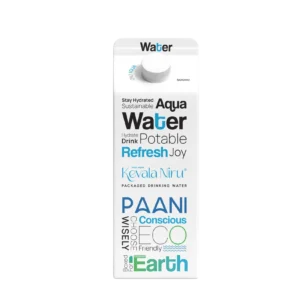
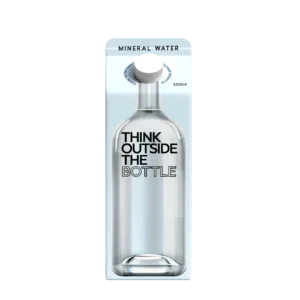
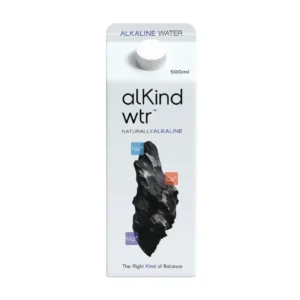
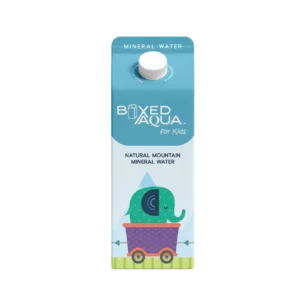






Water in a paper carton constitutes a feasible development in the packaging of a beverage. In comparison with traditional plastic bottle that is overly dependent on petroleum-based resources, carton packaging has a high percentage of paper-based material that can be produced out of renewable resources. This forms a packaging that is both high-end yet does not contradict ecologically-friendly buying patterns. The idea is straightforward but revolutionary: supply people with the essential and pure drinking water in a container that will minimize the usage of single-use plastic without causing inconvenience and sacrifice in quality.
Environmental responsibility is one of the greatest factors to attribute to the increasing popularity of water in paper carton. Plastic waste is a significant issue both in the urban and rural ecosystems. Single use bottles frequently find their way into landfills, rivers, and ocean waters, causing ecological harm that is both long lasting in addition to causing irreversible environmental harm. A good alternative is paper carton packaging since it is packaged using renewable materials and also ensures that it promotes the best waste management practices. This renders carton water packaging appealing to consumers and hospitality companies that aim to go greener with their operation.
The lightweight structure is another good potential of water in a paper carton. The carton is much lighter than glass bottles; thereby, cutting transportation loads, which can add to the logistics emissions. Efficient transportation is also a factor in sustainable supply chain; this is especially important when it comes to beverage distribution since, in many cases, large volumes are transported daily. Light packaging enhances the ease of handling, storage, and shipping, which in addition to the benefits of sustainability carries an operational benefit.
The impact of consumer perception in the increase in water in paper carton is also significant. Customers are trending towards conscientious packaging as a signifier of high quality and caring brand ethics. A carton of water conveys innovation, environmentalism and freshness in a manner that the traditional plastic does not portray. Carton water is a hot trend in hotels, high-end events, corporate offices, wellness space, airports and environmentally-focused retailers as an element of sustainability.
The issue of hygiene and product security are of primary importance as far as packaged drinking water is concerned. Water contained in a paper carton has taken on protective packaging layers which are used to maintain the integrity of water contained. These layers assist in protecting the contents against the external contamination, moisture and light. Such packaging practice makes sustainability not to be at the expense of safety or experience of drinking. Today, consumers want not only to be eco-friendly but also to be offered the quality that cannot be compromised, and carton packaging is expected to meet all these requirements.
Another factor that draws the interest in water in a paper carton is brand differentiation. Brands in a competitive packaged water market have to do better than to claim purity. Innovation with packaging brings about a visible point of differentiation. As soon as Carton water is set on sight, it draws the eye with its distinctive design and eco-slogan. It can be especially useful in high positioning, lifestyle positioning, hospitality alliances, and in corporate gifting situations in which the appearance of the package is important.
Water in a paper carton is increasingly popular among the hospitality and events industry. High-end hotels and wellness retreats, meetings, destination weddings, and corporate events with an atmosphere theme are also turning to alternative to traditional plastic bottles. Packaged water in cartons can easily integrate into such sustainability-driven experiences. It demonstrates the contemporary brand accountability, yet it presents their travelers with a convenient way to hydrate that is looks purposeful and stylish.
Water in a paper carton also has a great opportunity in the educational sector and family-oriented markets. Parents and schools are also increasingly conscious of green consumption practices. Packaging can be incorporated into carton to bring about the introduction of environmental-friendly options at an earlier stage. Carton water is useful in the daily hydration, outdoor activity and for use by students as a substitute to full-sized water bottles because of their portability, lightweight, and visual appeal.
Water in a paper carton should be viewed in the perspective of making a business decision that is based on ESG. Firms are also being increasingly pressing in the need to lessen plastics, enhance sustainability reporting, and show actual action taken. The use of carton water alternatives to replace traditional bottled water found in office buildings, events, and community-facing offices can help expand sustainability objectives, as well as enhance brand awareness.
Beauty is no longer the key word in beverage packaging innovation. It is now having a direct influence on the purchasing behaviour, being green and the long term brand trust. Water is depicted in a paper carton as a representation of this change through the provision of an exciting fusion of convenience, design and sustainability. Carton-based delivery of hydration has found itself poised to grow as more consumers begin to actively seek alternatives to the existing consumption patterns that are high in plastic usage.
Innovation, environmental responsibility and smarter material selection are probably the guiding elements to the future of packaged water. Water in a paper carton symbolizes a relevant answer to these changes in demands. It resolves increasing needs of eco-friendly hydration and maintains the convenience and the product integrity. With more awareness and the development of sustainable infrastructure, carton-based water solutions can become a widely-used aspect of homes, offices, retail venues, and the hotel industry.